
How to Mix Wood Tones Like a Designer

How to Mix Wood Tones Like a Designer
01.11.2025
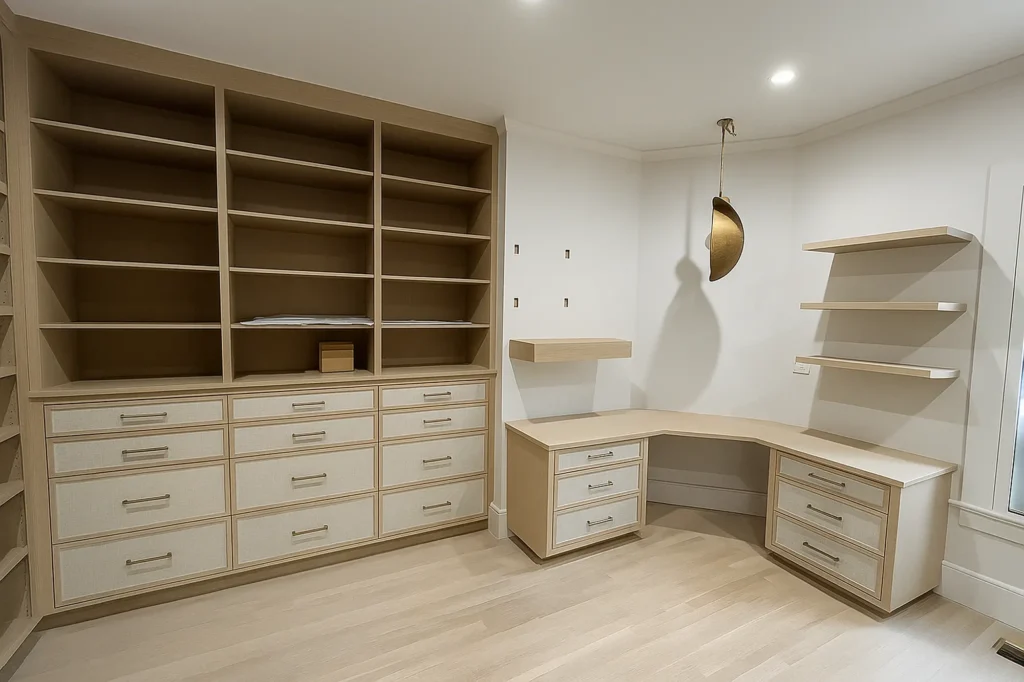
Mixing wood tones adds richness, texture, and depth to interior spaces—but it requires a trained eye. The key is not to match, but to harmonize. Each wood has a unique personality—walnut with its dark chocolate hues, oak with its golden warmth, and ash with its soft coolness. A well-balanced space uses these tones like a color palette, layering light and dark to create visual rhythm.
Start with one dominant tone as your foundation—perhaps the floor or cabinetry—and introduce contrasting elements through accent furniture or decor. Consistency in undertones is essential: warm tones pair best with other warm woods, while cooler tones create harmony among themselves.
Designers often use texture to unify diversity—satin finishes, matte stains, or open grains that complement one another. Add textiles, metals, or glass to balance the weight of the wood. Done right, mixed tones feel curated, natural, and sophisticated—like an intentional composition of nature itself.